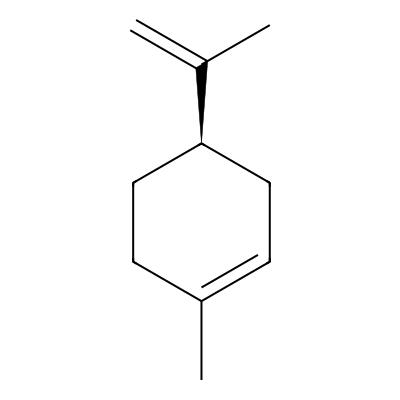
(R)-(+)-Limonene
Toxic Effects Within Food-Web Prey
Observed toxicity endpoints measured in prey species relevant to aquaculture food-web interactions.
| Predator (Aquaculture species) | Prey Species | Toxicity Type | Endpoint | Concentration in Prey (ppm) |
|---|---|---|---|---|
| Micropterus salmoides | Oncorhynchus mykiss | Acute | LC50 | 35 |
| Salmo trutta | Oncorhynchus mykiss | Acute | LC50 | 35 |
| Salmo salar | Oncorhynchus mykiss | Acute | LC50 | 35 |
| Oncorhynchus tshawytscha | Oncorhynchus mykiss | Acute | LC50 | 35 |
| Oncorhynchus mykiss | Pimephales promelas | Acute | LC50 | 0.711 |
| Oncorhynchus mykiss | Pimephales promelas | Acute | EC50 | 0.688 |
| Oncorhynchus mykiss | Oncorhynchus mykiss | Acute | LC50 | 35 |
| Oncorhynchus aguabonita | Oncorhynchus mykiss | Acute | LC50 | 35 |
| Micropterus salmoides | Pimephales promelas | Acute | LC50 | 0.711 |
| Micropterus salmoides | Pimephales promelas | Acute | EC50 | 0.688 |
| Micropterus salmoides | Daphnia pulex | Acute | EC50 | 69.6 |
| Carassius carassius | Daphnia magna | Acute | EC50 | 1.818 |
| Ictalurus punctatus | Pimephales promelas | Acute | LC50 | 0.711 |
| Ictalurus punctatus | Pimephales promelas | Acute | EC50 | 0.688 |
| Ictalurus punctatus | Oncorhynchus mykiss | Acute | LC50 | 35 |
| Gadus morhua | Daphnia pulex | Acute | EC50 | 69.6 |
| Danio rerio | Daphnia magna | Acute | LC50 | 0.73 |
| Danio rerio | Daphnia magna | Acute | EC50 | 1.818 |
| Ctenopharyngodon idella | Lolium perenne | Chronic | NOEL | 282842.712 |
| Ctenopharyngodon idella | Lolium perenne | Chronic | LOEL | 400000 |
| Carassius carassius | Daphnia magna | Acute | LC50 | 0.73 |
| Anguilla anguilla | Oncorhynchus mykiss | Acute | LC50 | 35 |
| Lepomis macrochirus | Daphnia pulex | Acute | EC50 | 69.6 |
Bioconcentration Within Food-Web Prey Species
Observed bioconcentration factors (BCF) measured in prey species relevant for aquaculture food-web interactions.
Food Web Interactions
Select an aquaculture-relevant species to explore trophic interactions associated with this chemical. The network contains two types of edges: (i) edges connecting the chemical to prey species, which are annotated with toxicity endpoints or bioconcentration factor (BCF) values depending on the selected filter, and (ii) trophic edges connecting prey to predator species, where the predator represents the aquaculture species. When neither toxicity nor BCF is selected, only the food-web (prey–predator) network is displayed. Hover over nodes and edges to view additional details.
DISCLAIMER
ReCAnt is a database of chemicals used in aquaculture and their ecotoxic effects, compiled from published literature. The authors are not liable for any inaccuracies or omissions of any chemicals in this resource. Importantly, our sole goal to build this resource on chemicals used in aquaculture is to enable future basic research on this topic, and it does not necessarily reflect the views or objectives of our employers or funders.