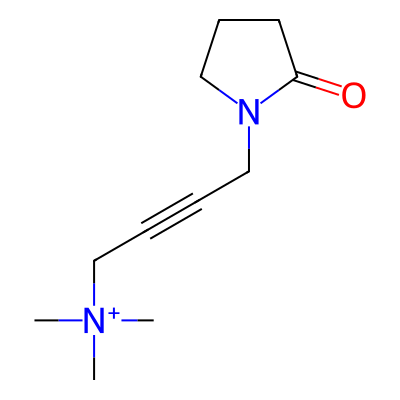
Oxolinic acid
Therapeutic actions reported:
Antibacterial
Antipathogenic
← Scroll →
ⓘ Table glossary
Table glossary
ReferencePubMed ID of research paper
Experiment TypeIn vivo or in vitro
Cell / Tissue / Microbe / Strain
If in vitro, cells = cells from aquaculture-relevant species
Cell / Tissue / Microbe / Strain
If in vitro, tissues = tissues from aquaculture-relevant species
Cell / Tissue / Microbe / Strain
If in vitro, microbes = type of microorganism obtained from aquaculture-relevant species
Cell / Tissue / Microbe / Strain
If in vitro, strain = strain of microorganism obtained from aquaculture-relevant species
Cell / Tissue / Microbe / Strain
If in vivo, this field is left blank
Test OrganismAquaculture-relevant species tested for prophylactic effect
LifestageLifestage of test organism if reported
Administration MethodRoute or method of chemical administration
Target OrganismPathogens affecting the test organism
Administered Dose RangeAll tested chemical doses
Significant Dose RangeDoses producing significant effects
Time to DeathTime to kill target organism (minutes)
Anthelminthic EfficacyEffectiveness in reducing target organism (%)
Therapeutic ActionReported therapeutic effect
| Reference | Experiment Type | Cell/Tissue/Microbe/Strain | Test Organism | Lifestage | Administration Method | Target Organism | Administered Dose Range | Significant Dose Range | Time to Death of Pathogen (min) | Anthelminthic Efficacy (%) | Therapeutic Action |
|---|---|---|---|---|---|---|---|---|---|---|---|
| PMID:39120127 | In vitro | RTMCX1 (JX390650) | - | - | - | Aeromonas hydrophila | 32.0 μg/mL |
32.0 μg/mL |
- | - | Antibacterial |
| In vitro | RTFG299 (OQ257343) | - | - | - | Chryseobacterium aquaticum | 4.0 μg/mL |
4.0 μg/mL |
- | - | Antibacterial | |
| In vitro | RTFCP446298 (OP604185) | - | - | - | Chryseobacterium balustinum | 32.0 μg/mL |
32.0 μg/mL |
- | - | Antibacterial | |
| In vitro | RTCLI04 (KM604704) | - | - | - | Lactococcus garvieae | 1.0 μg/mL |
1.0 μg/mL |
- | - | Antibacterial | |
| In vitro | GCAFBLC228 (MK245984) | - | - | - | Aeromonas veronii | 1.0 μg/mL |
1.0 μg/mL |
- | - | Antibacterial | |
| In vitro | MHJL248 (MN900589) | - | - | - | Vibrio anguillarum | 32.0 μg/mL |
32.0 μg/mL |
- | - | Antibacterial | |
| In vitro | MHJL258 (MN904977) | - | - | - | Shewanella xiamenensis | 0.25 μg/mL |
0.25 μg/mL |
- | - | Antibacterial | |
| In vitro | MHJM250 (MN900593) | - | - | - | Aeromonas salmonicida | 32.0 μg/mL |
32.0 μg/mL |
- | - | Antibacterial | |
| PMID:17292447 | In vitro | Bacteria | - | - | - | Vibrio fischeri | 0.198 mg/L |
0.198 mg/L |
- | - | Antibacterial |
| PMID:28627489 | In vivo | - | Danio rerio | Embryo | Bath | Francisella noatunensis ssp. orientalis | 100.0 μg/mL |
100.0 μg/mL |
- | - | Antipathogenic |
| In vivo | - | Danio rerio | Embryo | Encapsulated into nano structured lipid carriers & then injected | Francisella noatunensis ssp. orientalis | 7.4 μg/mL |
7.4 μg/mL |
- | - | Antipathogenic |
Glossary
×
ReferencePubMed ID of research paper
Experiment TypeIn vivo or in vitro
Cell / Tissue / Microbe / Strain
If in vitro, cells = cells from aquaculture-relevant species
Cell / Tissue / Microbe / Strain
If in vitro, tissues = tissues from aquaculture-relevant species
Cell / Tissue / Microbe / Strain
If in vitro, microbes = type of microorganism obtained from aquaculture-relevant species
Cell / Tissue / Microbe / Strain
If in vitro, strain = strain of microorganism obtained from aquaculture-relevant species
Cell / Tissue / Microbe / Strain
If in vivo, this field is left blank
Test OrganismAquaculture-relevant species tested for prophylactic effect
LifestageLifestage of test organism if reported
Administration MethodRoute or method of chemical administration
Target OrganismPathogens affecting the test organism
Administered Dose RangeAll tested chemical doses
Significant Dose RangeDoses producing significant effects
Time to DeathTime to kill target organism (minutes)
Anthelminthic EfficacyEffectiveness in reducing target organism (%)
Therapeutic ActionReported therapeutic effect
DISCLAIMER
ReCAnt is a database of chemicals used in aquaculture and their ecotoxic effects, compiled from published literature. The authors are not liable for any inaccuracies or omissions of any chemicals in this resource. Importantly, our sole goal to build this resource on chemicals used in aquaculture is to enable future basic research on this topic, and it does not necessarily reflect the views or objectives of our employers or funders.